
Rolfing®
Rolfing® Structural Integration uses hands-on connective tissue bodywork and movement education to balance the whole body in gravity.
About Rolfing
More than bodywork
Structural Integration, more than massage
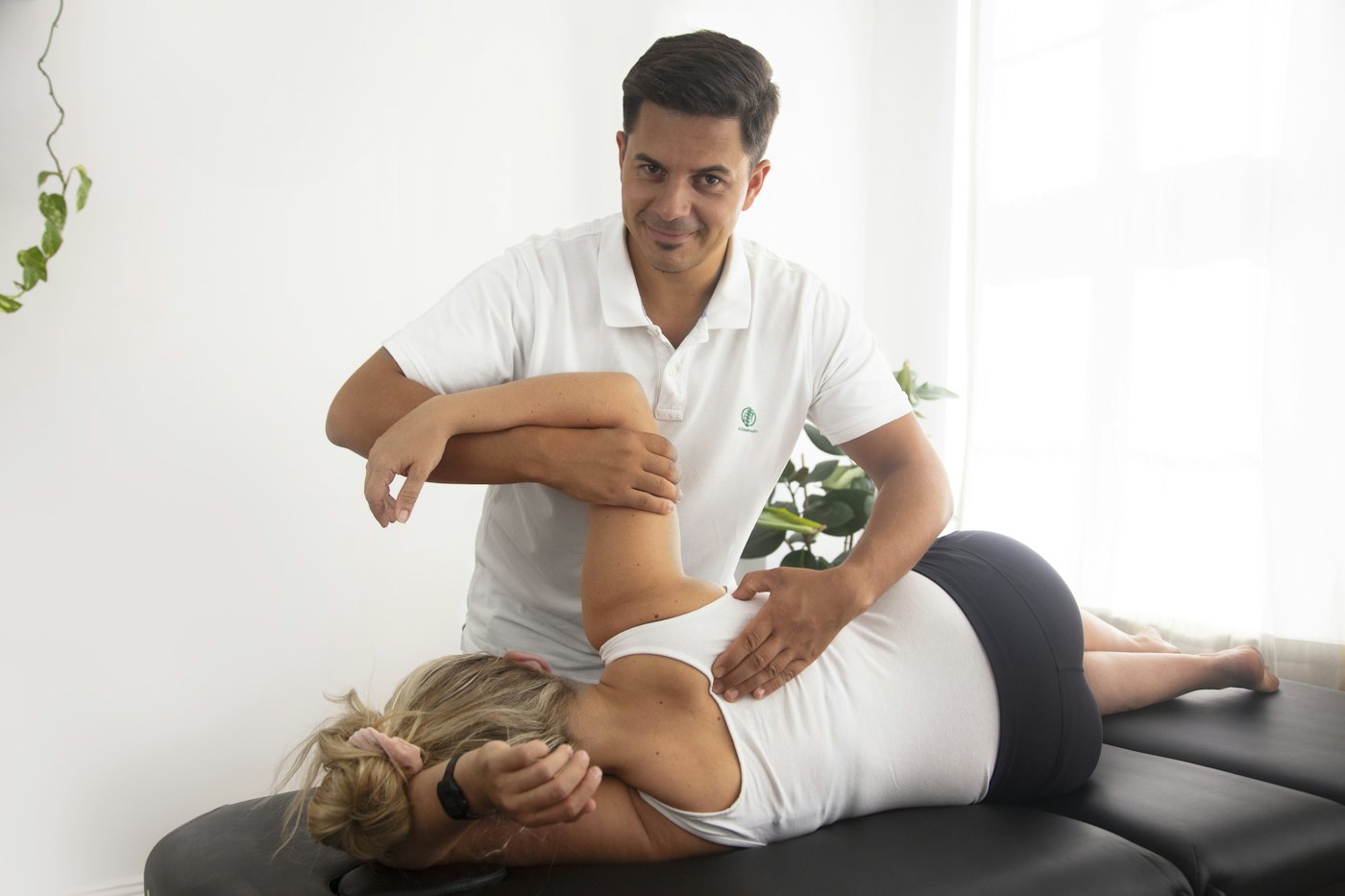
Rolfing® Structural Integration (“Rolfing” or “SI”) is a unique body therapy that uses hands-on connective tissue manipulation and movement education to balance the whole body in gravity. Dr. Ida P. Rolf developed Rolfing® more than fifty years ago. It offers an unparalleled opportunity to improve posture and movement patterns, and often to reduce pain.
Unlike other types of bodywork, Rolfing® focuses on integrating and balancing the body in gravity. The practitioner assesses and reassesses the standing, sitting, and moving body throughout a session, which makes the changes Rolfing® evokes applicable to daily life.
The series
The series
Sessions that spiral through the body
Rolfing® is taught in a series of sessions that gently spiral through the body several times. Each session progressively builds support and adaptability into the body’s structure where it is needed, balancing front to back, side to side, top to bottom, and inside to outside.
Clients seeking overall pain management and wellness benefit most from at least a five, ten, or twelve-session series. Once it is complete, most clients don’t need a “tune-up” for a year or more. Others come weekly or monthly for symptom maintenance.
A series is not a rigid form. It is a commonsense, principle-based decision-making process that is easily adapted to each client’s goals and physical capabilities.
Benefits
What it helps with
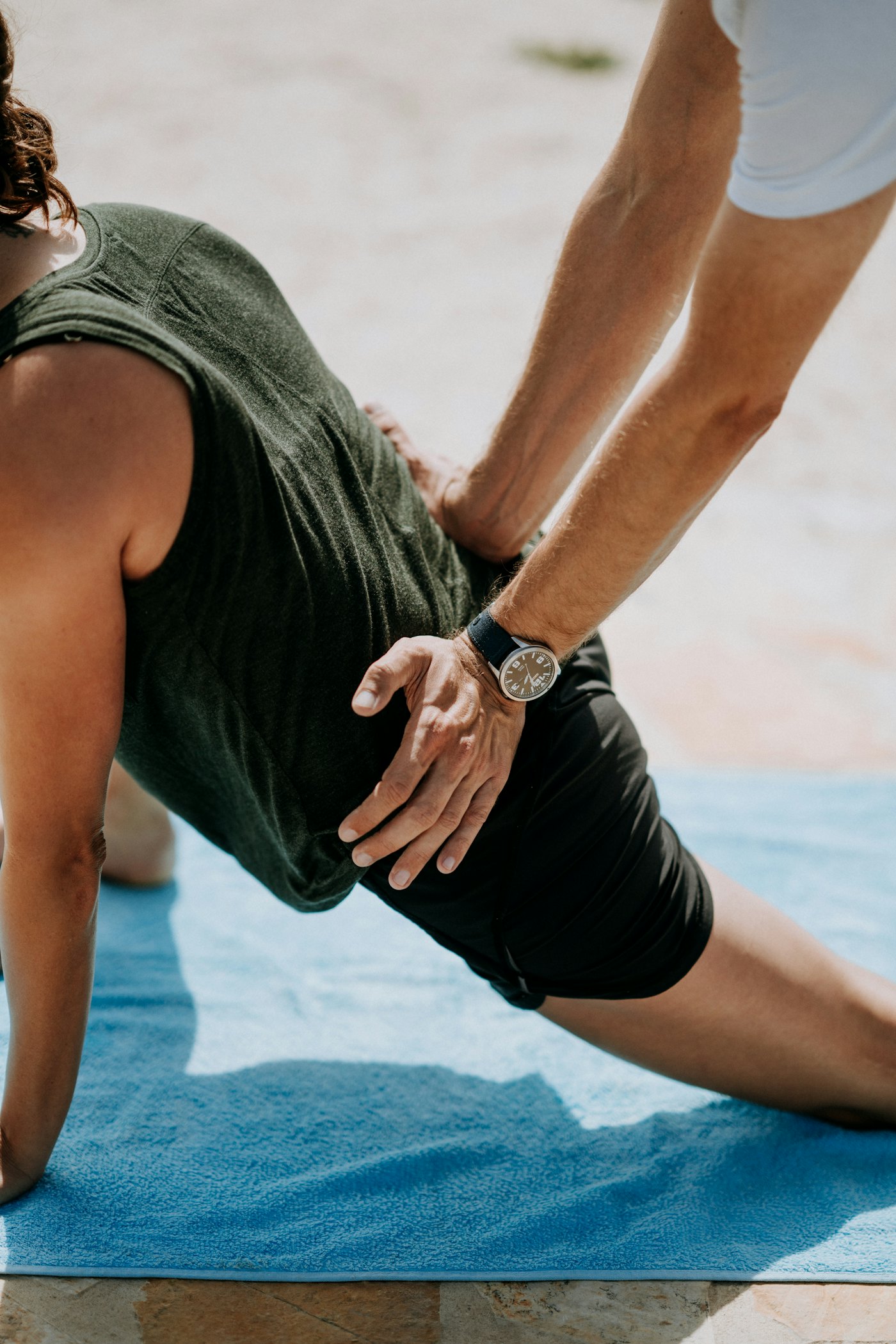
Rolfing® Structural Integration benefits clients of all ages and all health levels, with goals ranging from improved athletic performance to pain reduction and prevention. Some of the major benefits include:
- Posture improvement
- Athletic performance improvement
- Chronic stress reduction
- Scoliosis treatment
- Chronic low back pain management
- Reduced frequency and severity of stress and migraine headaches
- Reduction and prevention of repetitive motion injuries and other trauma
- Reduction and prevention of fibromyalgia symptoms, myofascial pain, and other pain patterns
- Lessened pain from TMJ dysfunction
- Carpal tunnel syndrome pain management
- Emotional and spiritual growth
- Improved energy levels and stamina
- Injurious movement pattern correction
- Problematic movement pattern prevention, especially in children
- Improved freedom of movement and overall body awareness
Questions
Good questions
What should I expect?
Every session begins with a check-in followed by a structural and movement assessment, or “body reading.” After noting what is going well and what challenges you might be having, you and Toby will strategize about how to best meet the goals of the session. Each session is a collaborative process.
Toby will then engage the body’s connective tissue through hands-on bodywork. Sometimes he might encourage you to move, stretch, or describe your experience if that is helpful to your process. Together, you work to free restrictions involved in maladaptive posture or movement patterns, and find ways to keep that freedom and ease of movement in all your activities.
Your session may evoke many different sensations, such as stretching, warmth, release, and pressure. Though Toby often works with deep structures in the body, these areas are often best reached through gentleness and patience.
I’ve heard Rolfing® is painful. Is that true?
Toby frequently works on deep layers of the soft tissue, but working deeply does not necessarily mean working at an uncomfortable level of intensity. The best Rolfers® constantly communicate with their clients and continuously adjust their touch so the body can open most effectively.
You are not just a passive recipient of the work, but an active collaborator. You are in charge of the intensity. If you have to brace a part of your body or hold your breath, Toby wants to know. And if something feels especially helpful, or helps you relate to part of your body in a new way, that is also useful to share.
How many sessions?
One or two sessions may relieve some symptoms or complaints, but in Toby’s experience a series gives clients the greatest benefit. Not everyone needs the classic Ten Series that Ida Rolf taught, however. Some folks do very well with five or seven. Others need weekly or monthly sessions for chronic symptom management.
Every two to three weeks is a good pace for ongoing sessions, though they can be spaced more or less often depending on your goals and budget. Scheduling sessions more often than once a week, or less often than once a month, is not recommended.
What should I wear?
Toby recommends some combination of boxers, briefs, gym shorts, underwear, a bra, a camisole, or a two-piece bathing suit. We don’t recommend sports bras, since they cover much of the back and spine.
Because sessions often include movement work, we don’t recommend working without clothes. What matters most is that you feel comfortable and that the body is easy to reach for manual work.
Toby works a lot with chronic pain patients for whom changing clothes is a burden. Working through clothes is totally doable if that is best for you!
What scientific evidence supports Rolfing®?
Research into connective tissue manipulation, and Rolfing® in particular, is an active field. Earlier research found that Rolfing® helps refine movement patterns and creates more efficient muscle use, along with significant changes in neurological functioning and pelvic inclination.
Newer studies explore connective tissue hydration through manual manipulation and the presence of contractile cells in connective tissue. The International Fascia Research Congress, first held in 2007, continues to bring together structural integration practitioners and fascia researchers from fields including cell biology and biophysics.
Free 30-minute consultation
Not sure yet? Let’s talk first
Talk through your goals with Toby and get a feel for the work before you book a session.